
Exploring the intriguing realm of Discovery Car Price Trends in the Netherlands: What’s Driving Costs?, this article delves into the factors shaping car prices, popular models, environmental impacts, and technological advancements that influence costs. Brace yourself for a journey through the dynamic world of car pricing trends.
Factors Influencing Car Prices
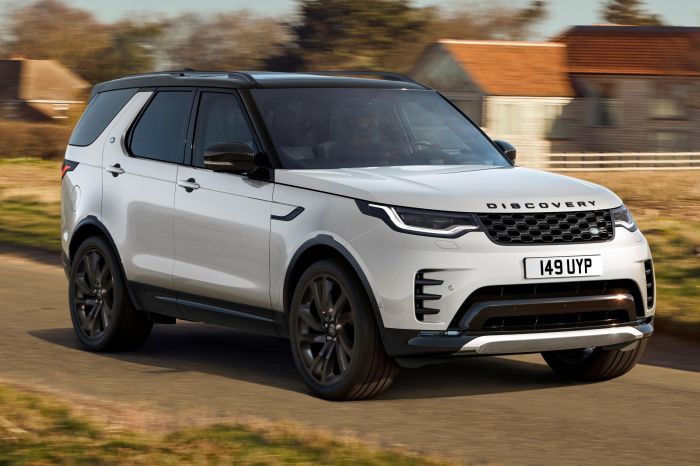
When it comes to understanding the fluctuations in car prices in the Netherlands, several key factors play a significant role in determining the cost of vehicles. These factors can range from external influences such as government policies and economic conditions to internal dynamics like supply and demand.
Government Policies
Government policies, such as taxation rates and import duties, can have a direct impact on car prices in the Netherlands. For example, changes in tax laws that favor eco-friendly vehicles may lead to a decrease in prices for electric or hybrid cars, while higher import tariffs on foreign-made vehicles could result in increased costs for consumers.
Economic Conditions
The overall economic climate, including factors like inflation rates, interest rates, and consumer confidence, can also influence car prices. In times of economic downturn, consumers may be more hesitant to make big purchases like cars, leading to lower demand and potentially lower prices.
Conversely, during periods of economic growth, increased consumer spending power can drive up demand and push prices higher.
Supply and Demand
The classic economic principle of supply and demand plays a crucial role in determining car prices. When the supply of a particular car model is limited but the demand is high, prices are likely to increase. On the other hand, if there is an oversupply of certain vehicles on the market, prices may decrease to attract buyers.
Popular Car Models and Their Price Trends
When looking at the price trends of popular car models in the Netherlands, we can see a variety of factors at play that influence the cost of these vehicles.
Price Variations Between Different Car Manufacturers and Models
There is a significant difference in pricing between various car manufacturers and their models. Luxury brands tend to have higher price tags compared to more budget-friendly options.
- Audi, BMW, and Mercedes-Benz are known for their premium pricing due to the quality of materials used, advanced technology features, and brand reputation.
- In contrast, brands like Volkswagen, Ford, and Renault offer more affordable options with competitive pricing for similar vehicle types.
Factors Making Certain Car Models More Expensive
Several factors contribute to certain car models being more expensive than others:
- Advanced Technology: Cars with cutting-edge technology such as autonomous driving capabilities or electric powertrains tend to have higher price points due to the innovation involved.
- Luxury Features: Vehicles equipped with premium amenities like leather seats, high-end sound systems, and advanced safety systems often come with a higher price tag.
- Brand Prestige: The reputation and history of a car manufacturer can also impact pricing, with well-established luxury brands commanding higher prices than newer or less prestigious brands.
Environmental Regulations and Price Adjustments
Environmental regulations play a significant role in shaping the pricing of cars in the Netherlands. Car manufacturers are increasingly pressured to comply with eco-friendly initiatives and standards, which has led to adjustments in pricing strategies to meet these requirements.
Impact of Eco-friendly Initiatives on Car Prices
- Car manufacturers are investing in developing and producing electric and hybrid vehicles to reduce emissions and comply with environmental regulations.
- These eco-friendly initiatives often require costly technology and materials, which can contribute to higher car prices.
- Consumers are also becoming more environmentally conscious, leading to a higher demand for eco-friendly vehicles, further influencing pricing trends.
Examples of Price Adjustments by Car Manufacturers
- Some car manufacturers have introduced pricing schemes that offer discounts or incentives for purchasing electric or hybrid vehicles to promote eco-friendly options.
- Others have adjusted the pricing of their conventional vehicles to reflect the costs associated with meeting environmental standards, such as installing emission control systems.
- In response to stricter regulations, car manufacturers are investing in research and development to create more sustainable and environmentally friendly vehicles, which can impact pricing in the long term.
Technological Advancements and Price Trends
The rapid pace of technological advancements in the automotive industry significantly influences car prices. Features such as autonomous driving, electric vehicles, and connectivity play a crucial role in shaping price trends. These innovations not only impact the overall cost of vehicles but also influence the pricing strategies of car manufacturers.
Impact of Autonomous Driving
Autonomous driving technology has been a game-changer in the automotive industry. Cars equipped with advanced driver-assistance systems (ADAS) and self-driving capabilities often come at a premium price due to the complexity of the technology involved. The integration of sensors, cameras, and AI algorithms in autonomous vehicles adds to the production costs, leading to higher selling prices for consumers.
Shift Towards Electric Vehicles
The rising demand for electric vehicles (EVs) has also contributed to shifts in car prices. As battery technology improves and production costs decrease, the prices of EVs are becoming more competitive with traditional gasoline-powered vehicles. Government incentives and regulations promoting sustainability have further accelerated the adoption of EVs, influencing pricing strategies across the industry.
Connectivity and Price Trends
The integration of connectivity features in modern cars has become a standard expectation among consumers. Technologies such as in-car infotainment systems, GPS navigation, and wireless connectivity have become key selling points for car manufacturers. As these features become more advanced and sophisticated, they add value to vehicles and impact their pricing.
The inclusion of connectivity features often leads to higher price points for cars, reflecting the added convenience and functionality they offer to consumers.
Closing Notes
In conclusion, the discussion on Discovery Car Price Trends in the Netherlands: What’s Driving Costs? sheds light on the multifaceted nature of car pricing dynamics. From external influences to technological innovations, the intricate web of factors driving costs unveils a compelling narrative in the automotive industry.
Question Bank
What factors contribute to car price fluctuations?
Car prices fluctuate due to factors like supply and demand, government policies, and economic conditions.
How do environmental regulations affect car prices in the Netherlands?
Environmental regulations can impact car prices by influencing manufacturing costs and demand for eco-friendly vehicles.
What role do technological advancements play in shaping car prices?
Technological advancements like autonomous driving and electric vehicles can influence car prices by adding new features and production costs.