Free Travel Brochures from Tourism Boards You Didn’t Know About sets the stage for this enthralling narrative, offering readers a glimpse into a story that is rich in detail with casual formal language style and brimming with originality from the outset.
With a plethora of information waiting to be discovered, this guide will delve into the hidden world of free travel brochures from lesser-known tourism boards, shedding light on the benefits and unique content that await curious travelers.
Researching Tourism Boards for Free Travel Brochures
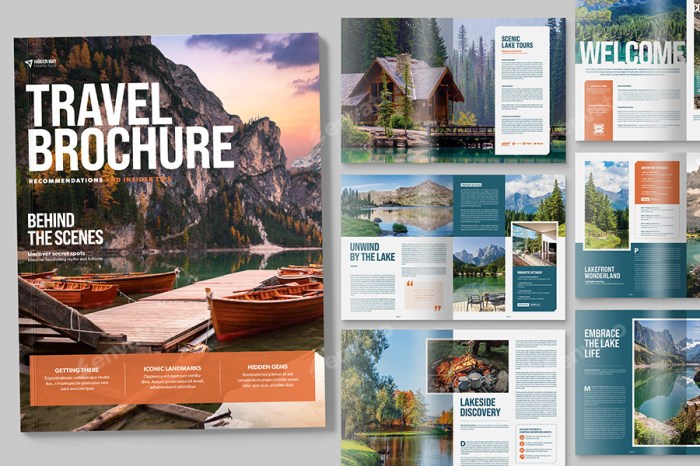
When planning a trip, obtaining travel brochures from tourism boards can be a great way to gather valuable information about destinations. Here are some tips on how to find lesser-known tourism boards that offer free travel brochures and the benefits of doing so.
Identifying Lesser-Known Tourism Boards
- Look for regional or local tourism boards that promote specific areas within a country.
- Explore niche tourism boards that focus on specific interests such as eco-tourism, adventure travel, or cultural experiences.
- Search for tourism boards of smaller countries or regions that may not be as well-known but offer unique travel opportunities.
Methods to Find Tourism Boards Online
- Use search engines to look for tourism boards of specific destinations or interests.
- Visit travel websites and forums that may have recommendations or links to lesser-known tourism boards.
- Follow social media accounts of travel influencers or bloggers who may share information about hidden gem tourism boards.
Benefits of Obtaining Travel Brochures from Tourism Boards
- Get insider tips and local recommendations that may not be easily found online.
- Discover off-the-beaten-path destinations and unique experiences that mainstream travel guides may not cover.
- Save money by learning about budget-friendly accommodations, activities, and transportation options available in the area.
Types of Information in Travel Brochures
Travel brochures typically contain a wide range of information to entice travelers and provide them with essential details for planning their trip. From general destination overviews to specific activities and attractions, these brochures aim to showcase the best of what a place has to offer.
General Information
- Basic facts about the destination - location, population, language spoken
- Climate information - average temperatures, best time to visit
- Currency and exchange rates
Attractions and Activities
- Popular tourist spots and landmarks
- Outdoor activities available - hiking, water sports, etc.
- Cultural events and festivals
Dining and Accommodation
- Recommendations for local restaurants and cuisines
- Types of accommodation available - hotels, resorts, guesthouses
- Special deals or packages for travelers
Transportation
- Information on getting around - public transport, car rentals
- Maps and directions to key locations
- Airports and flight options
Unique Local Experiences
- Hidden gems and off-the-beaten-path places to explore
- Local traditions and customs
- Specialty tours or workshops for immersive experiences
Design and Layout of Travel Brochures
Travel brochures play a crucial role in attracting tourists and providing valuable information about a destination. The design and layout of these brochures can greatly impact the reader's experience, influencing their decision to visit a place. Let's delve into the key aspects of design and layout in travel brochures.
Design Elements in Travel Brochures
Travel brochures often incorporate vibrant colors, captivating images, and engaging fonts to grab the reader's attention. These design elements help create an appealing visual representation of the destination, enticing travelers to explore further. Additionally, the use of maps, icons, and infographics can make it easier for readers to navigate the brochure and understand the information provided.
Influence of Layout on Reader’s Experience
The layout of a travel brochure plays a significant role in guiding the reader through the content. A well-structured layout with clear headings, subheadings, and sections can make it easier for readers to find relevant information quickly. Moreover, an organized layout can enhance the overall readability of the brochure, ensuring that readers are not overwhelmed by too much text or cluttered visuals.
Tips for Improving Design and Layout
1. Use high-quality images
Including stunning visuals of the destination can capture the reader's imagination and create a desire to visit.
2. Keep it concise
Avoid overcrowding the brochure with excessive text. Focus on key highlights and essential information to maintain reader interest.
3. Utilize white space
Incorporating white space can make the brochure look clean and uncluttered, allowing important details to stand out.
4. Consistent branding
Ensure that the design elements and layout align with the tourism board's branding to maintain a cohesive look and feel.
5. Test for readability
Before finalizing the design, test the brochure's readability by seeking feedback from potential readers to identify any areas for improvement.
Utilizing Travel Brochures for Trip Planning
Travel brochures are valuable resources that can greatly enhance your trip planning process. By effectively utilizing the information provided in these brochures, travelers can create detailed itineraries, discover hidden gems, and make the most out of their travel experiences.
Incorporating Brochure Information into Travel Itineraries
When incorporating brochure information into your travel itinerary, follow these steps:
- Start by carefully reading through the brochures to identify attractions, activities, and accommodations that interest you.
- Make a list of must-visit places and experiences based on the information provided.
- Organize the attractions and activities based on their proximity to each other to optimize your time and transportation.
- Consider the opening hours, admission fees, and any special events mentioned in the brochures when planning your schedule.
- Use the maps and suggested routes in the brochures to create a logical and efficient travel plan.
Personal Experiences of Using Travel Brochures
I have personally used travel brochures to enhance my travel experiences in the past. One memorable example was when I discovered a small, picturesque village that was not initially on my itinerary but was featured in a brochure I picked up at a local tourism board office.
Visiting that village turned out to be one of the highlights of my trip, showcasing the value of incorporating brochure information into my travel plans.
Last Recap
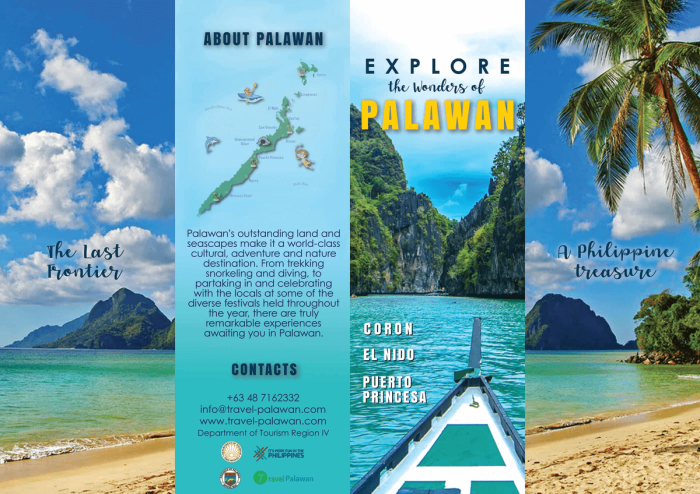
As we conclude this exploration of Free Travel Brochures from Tourism Boards You Didn’t Know About, it's evident that these hidden gems hold the key to unlocking a world of travel possibilities. From design elements to trip planning tips, these brochures offer a wealth of information just waiting to be explored.
So, next time you embark on a travel journey, remember to seek out these free treasures and enhance your adventures with a touch of insider knowledge.
Frequently Asked Questions
How can I find these lesser-known tourism boards that offer free travel brochures?
You can search online using specific s related to the destination you're interested in, explore travel forums, or even contact local tourism offices for information.
What kind of information can I expect to find in these travel brochures?
Travel brochures typically contain details about attractions, accommodations, dining options, maps, and local insights that can help you plan your trip effectively.
How do I incorporate brochure information into my travel itinerary?
You can use the information from brochures to create a day-by-day plan, mark points of interest on maps, and prioritize activities based on your preferences and interests.